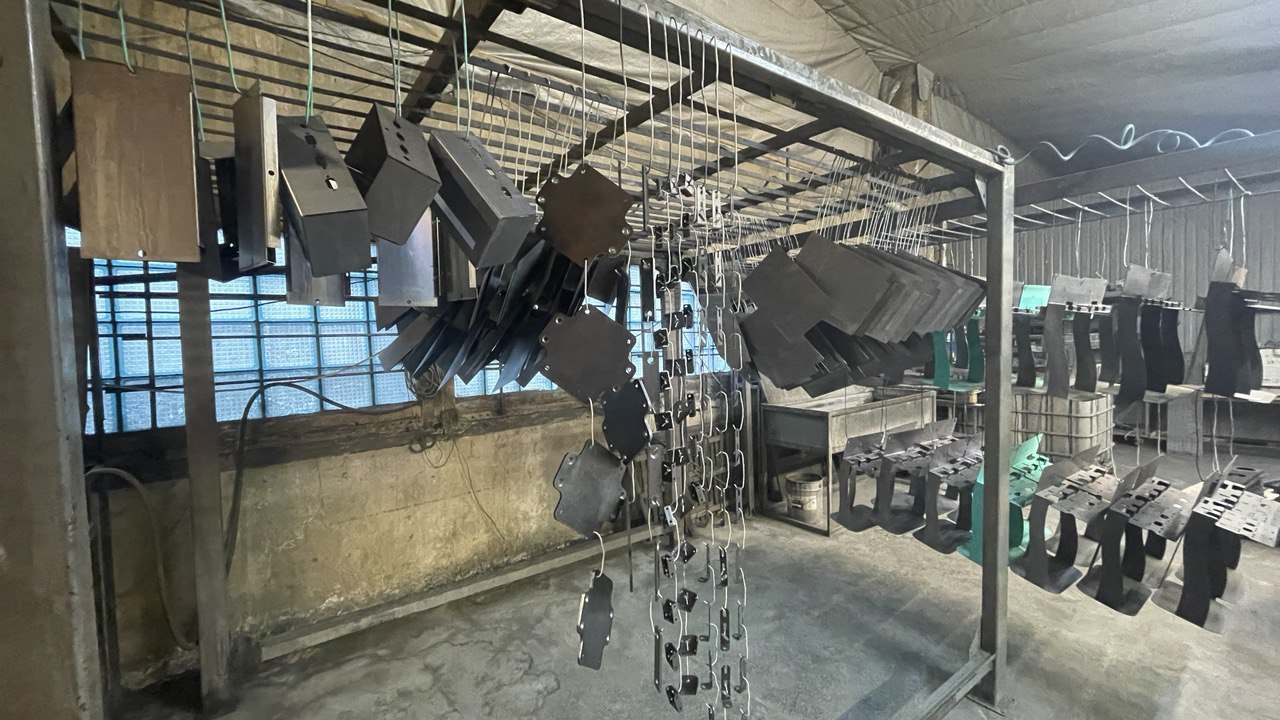
Metalworking
We perform all metalworking services on
the latest equipment and in the agreed terms

We adhere to deadlines
With us, you don't have to worry about the delivery time of your order

Quality is priority for our company
We control product quality and modernize production

Communication with client 24/7
We are constantly in touch with our client and are always ready to help

quick response to the request
We do our best to calculate your project quickly
we implement the order on time
Our metalworking services
quality control at every stage
How do we work?
You leave an application for miscalculation
You leave the application in a convenient way for you. It can be: a phone call, an email or a form on the website.
We clarify the details of the order
We check the availability and compliance of the technical task according to our requirements and contact you to clarify the details.
We provide you with an order calculation
We provide you with an estimate of your project from 1 to 5 working days, depending on the complexity of the project.
Production and approval of the sample
We make a test sample or test mini-batch for you and agree on all the key points for the future order
We sign a cooperation agreement with you
We sign a cooperation agreement with you and agree on the shipment schedule.
Launching a batch of products into operation
We launch the agreed batch of products into operation and report to you upon readiness for shipment planning.
we respond quickly to project requests
What is Metalworking?
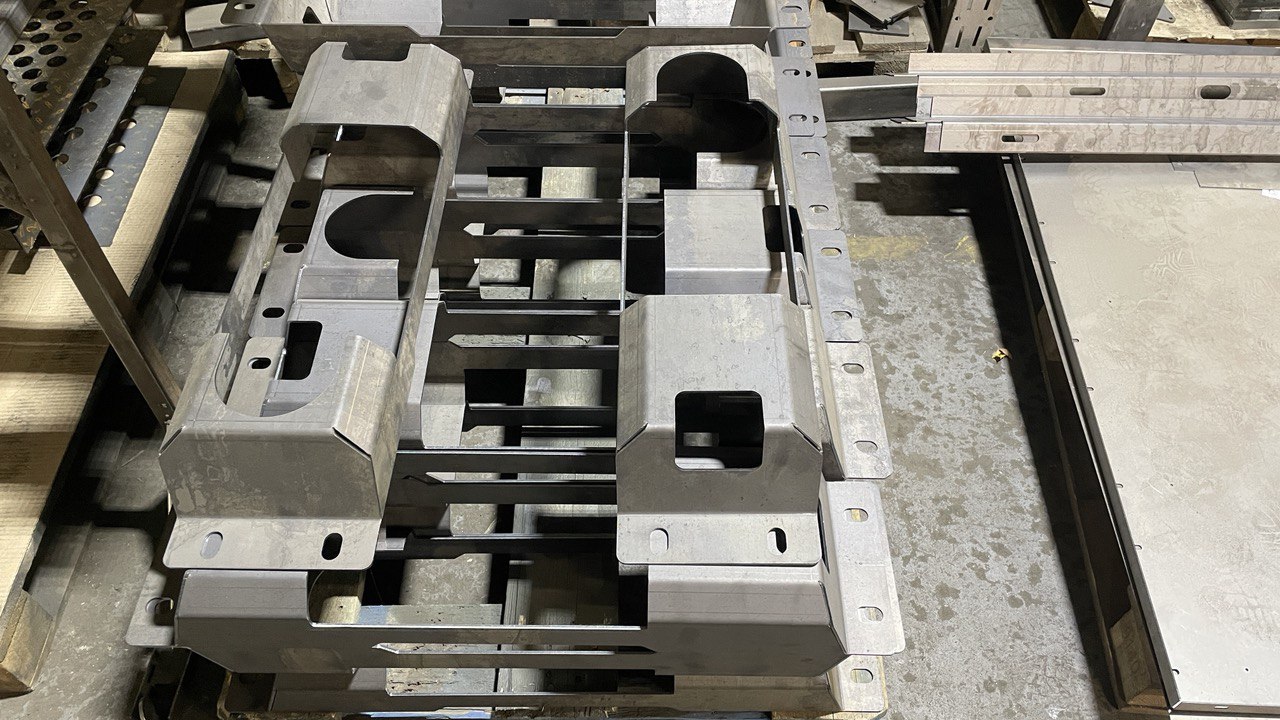
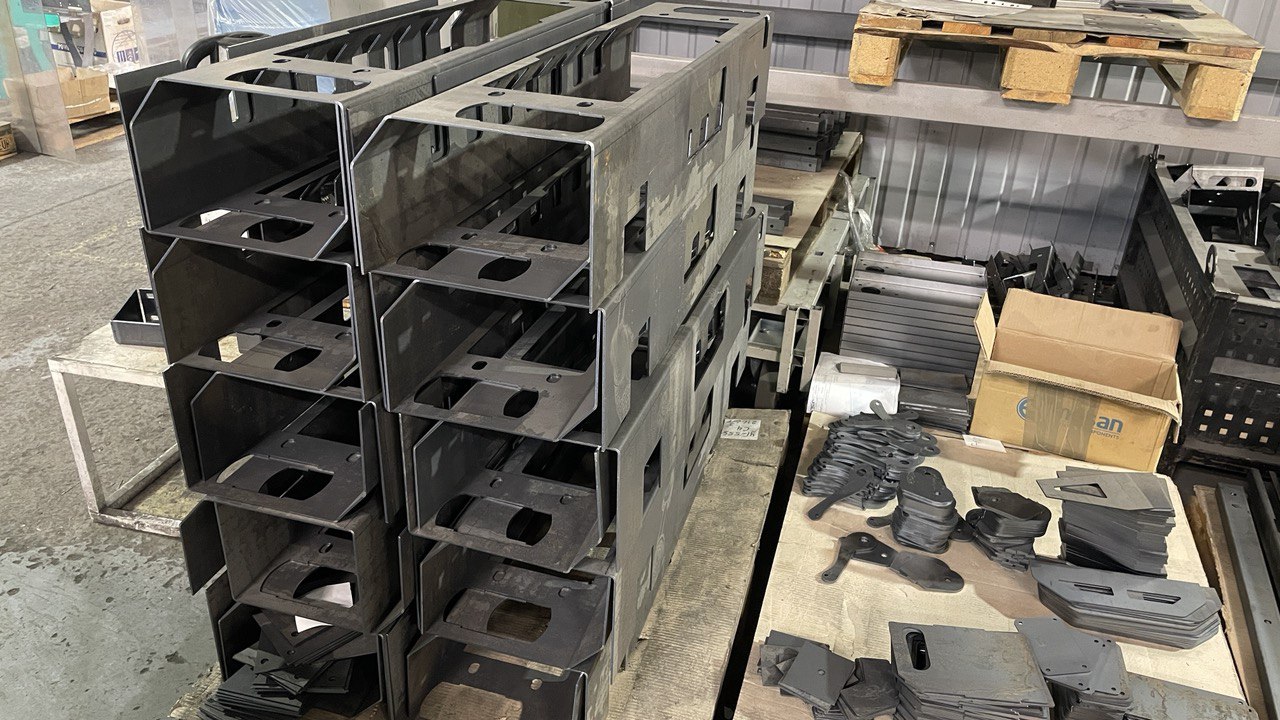
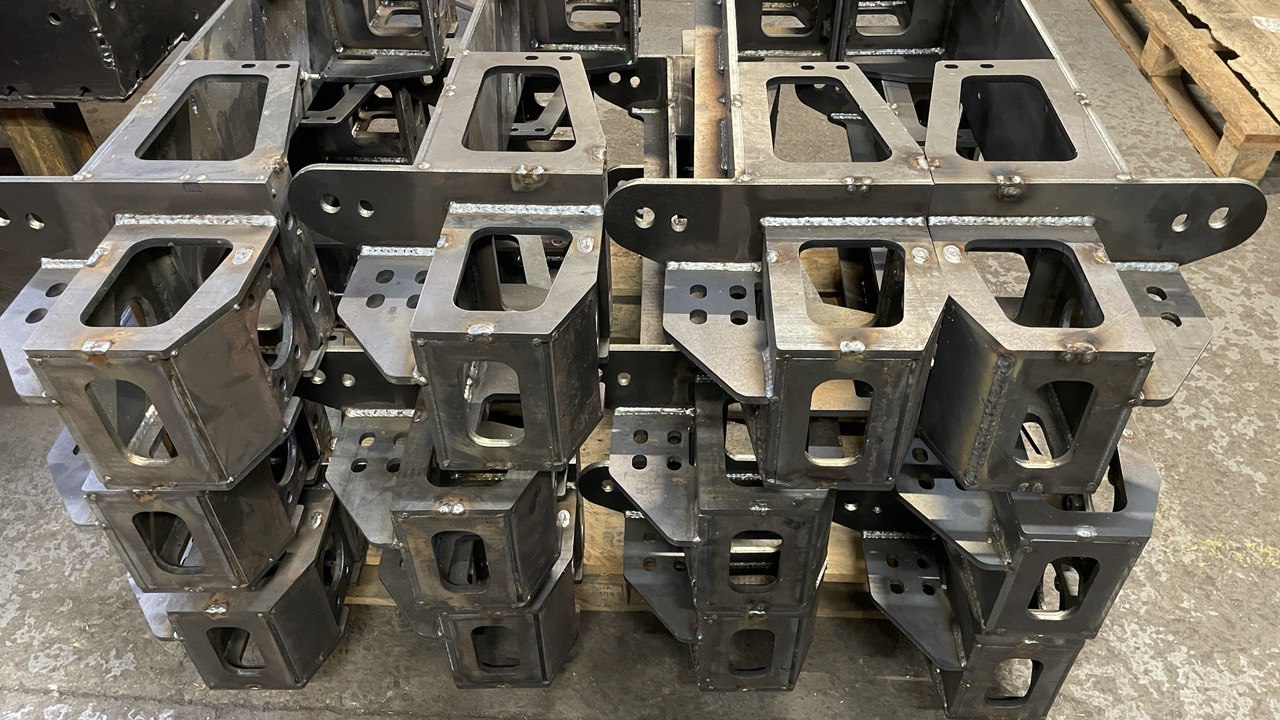
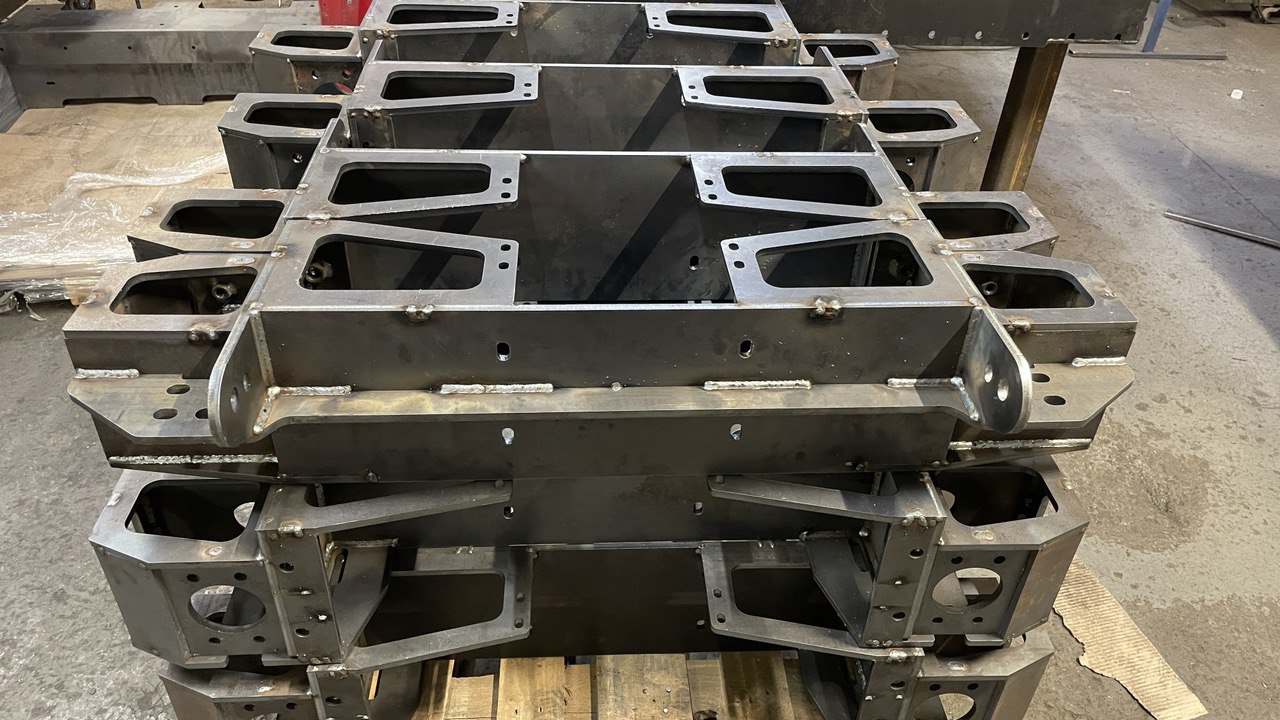
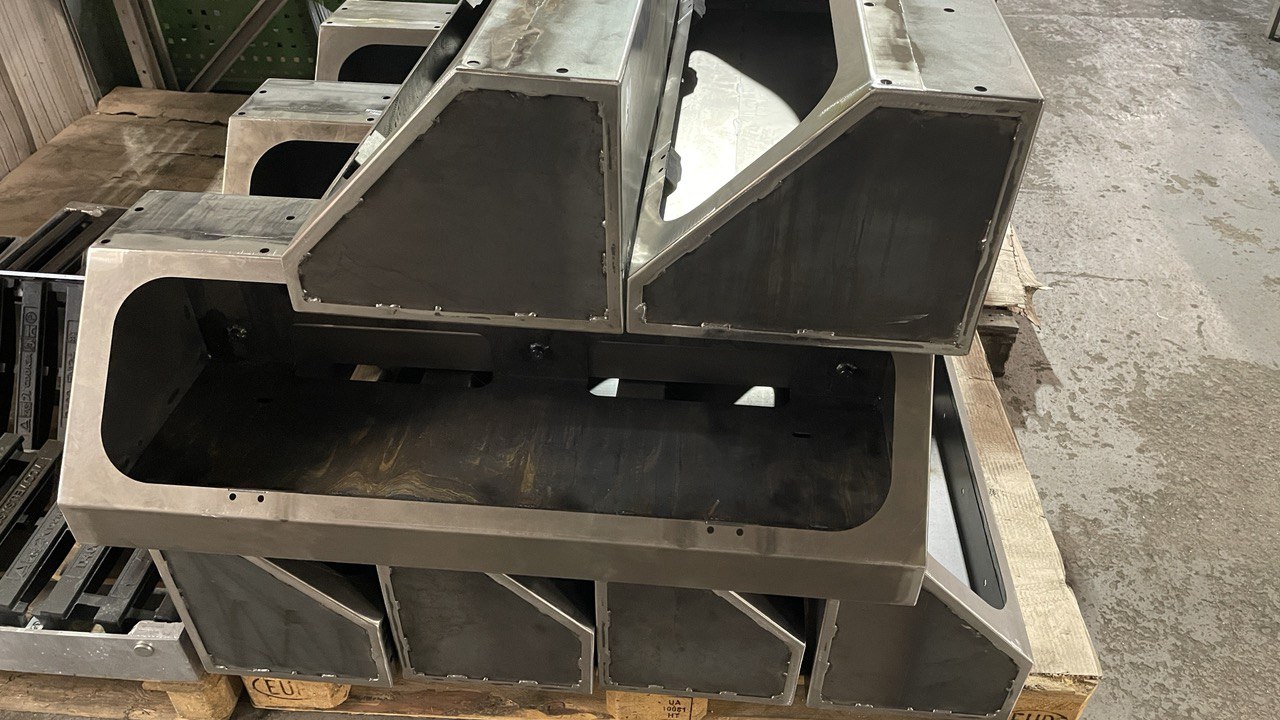
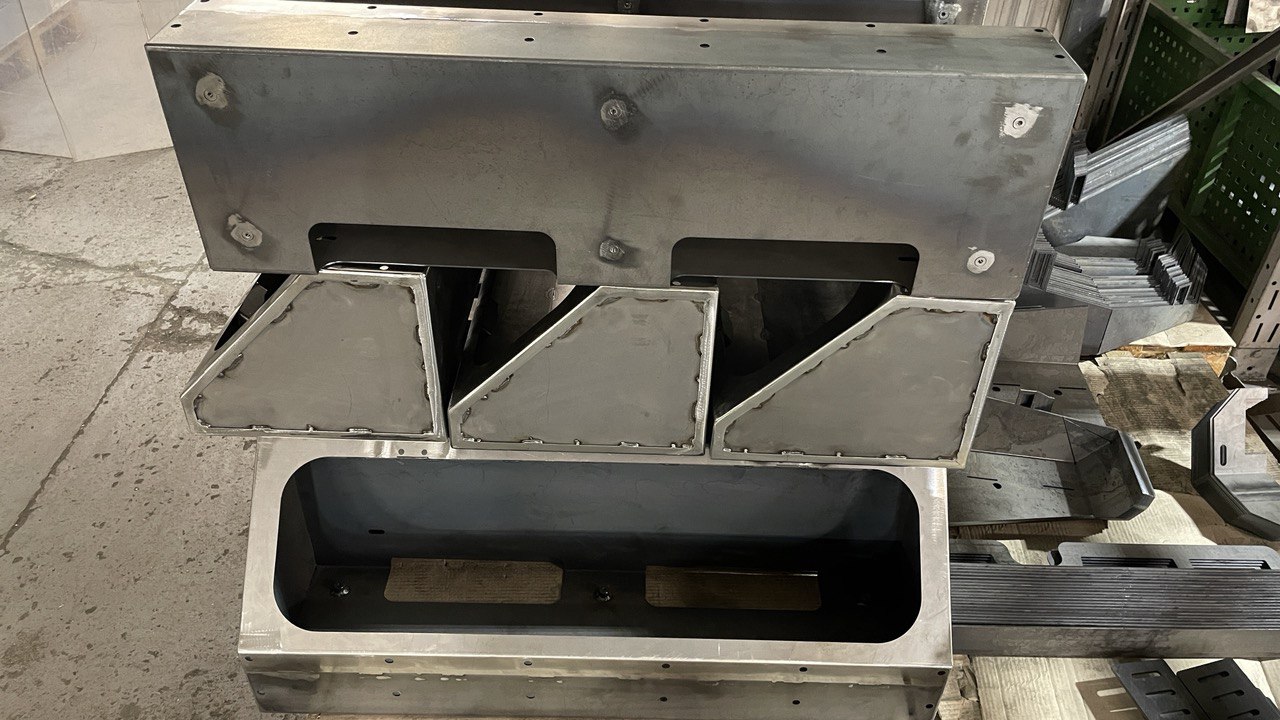
Metalworking is a broad term that encompasses a range of processes and techniques used to shape, cut, join, and manipulate metal materials to create various products. It plays a crucial role in manufacturing and construction industries, producing items ranging from small precision components to large structures.
Key aspects of metalworking include:
Cutting: Metal can be cut into desired shapes and sizes using various tools and methods, such as sawing, shearing, or laser cutting.
Forming: Metal can be shaped into specific forms through processes like bending, rolling, and forging. This is crucial for creating components with the desired geometry.
Joining: Metal pieces can be joined together through welding, soldering, brazing, or other techniques. These methods are essential for creating strong and durable connections.
Machining: Machining involves removing material from a metal workpiece using cutting tools to achieve precise shapes and dimensions. Common machining processes include milling, turning, and drilling.
Casting: Metal can be melted and poured into molds to create complex shapes. This is particularly useful for mass production of components with intricate designs.
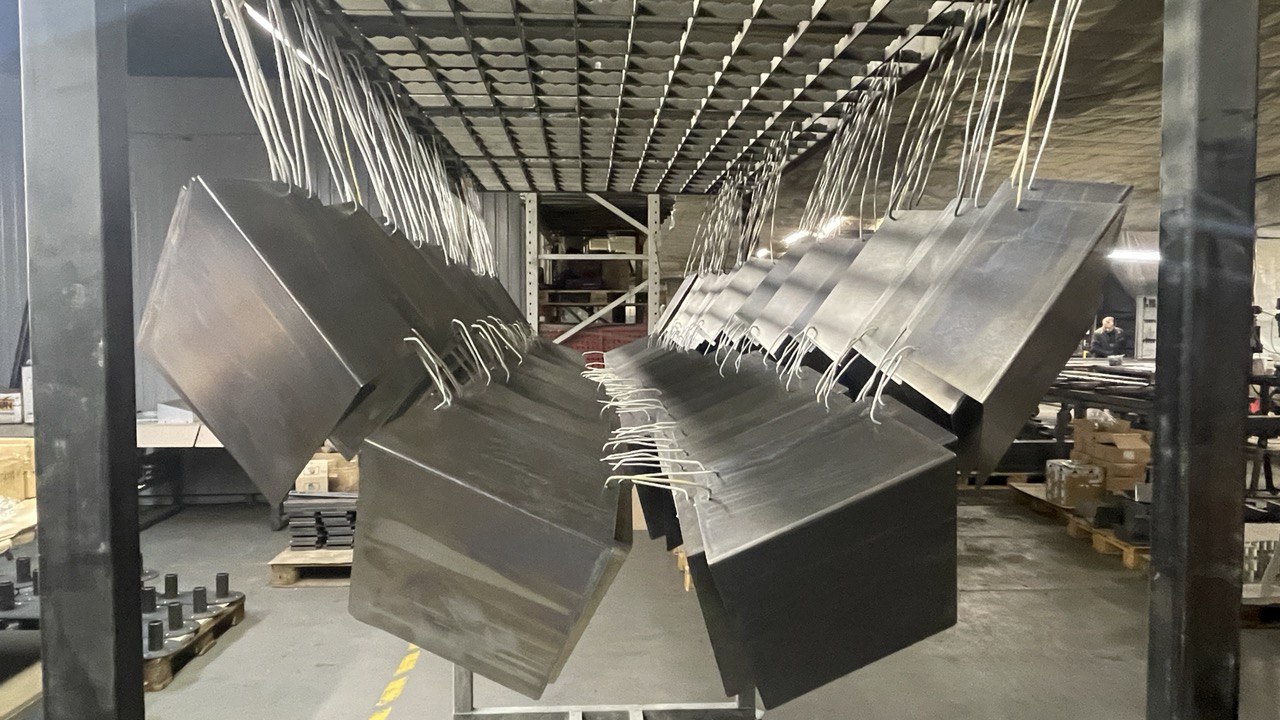
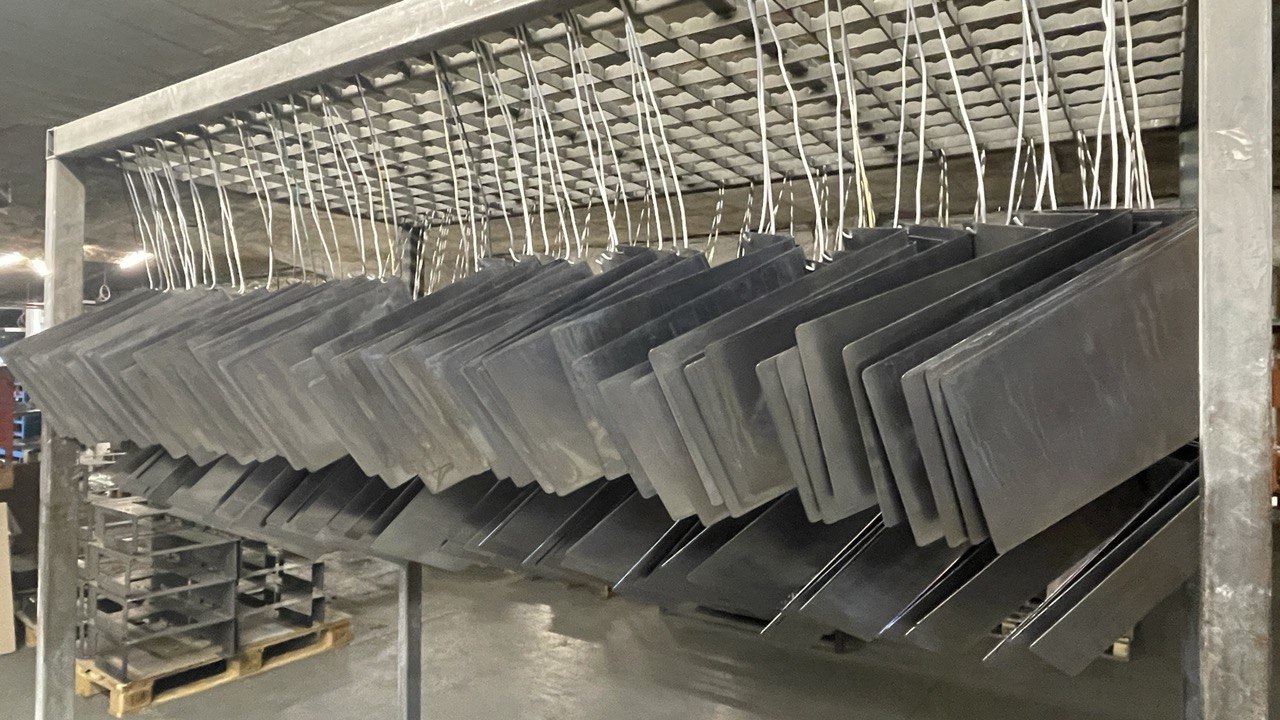
Finishing: After the primary metalworking processes, finishing steps such as polishing, coating, or plating may be applied to enhance the appearance and protect the metal from corrosion.
Metalworking is employed in various industries, including automotive manufacturing, aerospace, construction, electronics, and more. Skilled metalworkers use a combination of traditional techniques and advanced technologies to produce high-quality and customized metal components. The field continues to evolve with advancements in materials, tools, and processes.
Contact us
Cooperating with our company, you don’t have to worry about receiving an order on time that will meet your quality standards!